


04 May Understanding the psychology behind gambling behavior in casinos
Understanding the psychology behind gambling behavior in casinos
The Allure of Gambling
The thrill of gambling is deeply rooted in human psychology, often driven by the promise of instant rewards. Casinos are designed to attract players through bright lights, engaging sounds, and an atmosphere that enhances excitement. This sensory overload keeps players in a state of heightened arousal, which is psychologically rewarding. The anticipation of winning can trigger the release of dopamine, a neurotransmitter associated with pleasure and reward. This chemical response can create an addictive loop, leading players to gamble more in hopes of experiencing that rush again. For those interested in exploring diverse gaming options, https://vavadacasino.co.in/ offers an impressive array of games tailored to local preferences.
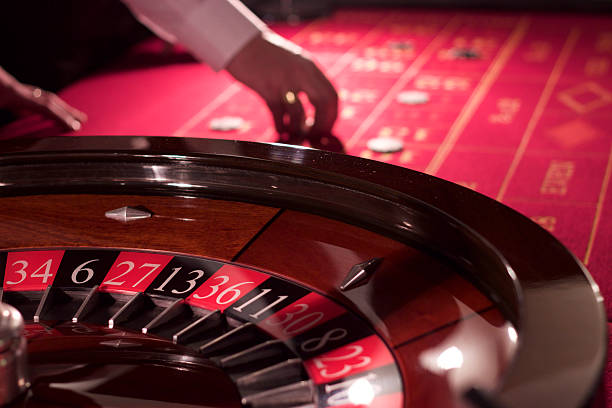
Additionally, many gamblers are influenced by the concept of variable rewards. The uncertainty of a win makes the experience more captivating, as players continue to play with the hope that the next spin or card will yield a win. This unpredictability is crucial for maintaining engagement, as it taps into the brain’s reward system, encouraging continued play. The less predictable the outcome, the more engaged players may feel, reinforcing their desire to gamble.
Moreover, social factors play a significant role in attracting individuals to casinos. The social environment can serve as a powerful motivator, fostering a sense of community among players. Gambling can facilitate social interactions, creating bonds over shared experiences, be it a victory or a loss. This social aspect can reinforce gambling behavior, as individuals may continue to participate to maintain these relationships or enjoy group activities, thereby increasing the frequency of their visits to casinos.
The Role of Cognitive Biases
Cognitive biases greatly influence gambling behavior in casinos. For example, the gambler’s fallacy leads players to believe that past events affect future outcomes. Someone might think that if a slot machine hasn’t paid out in a while, it is ‘due’ for a win, which is a flawed rationale. Such thinking keeps players engaged, as they place their bets on the mistaken belief that they can predict outcomes based on previous results. This fallacy can significantly increase the amount of time and money players invest in gambling.
Another common cognitive bias is the illusion of control, where individuals overestimate their ability to influence outcomes. Gamblers may feel that their skill can determine the results of games that are purely based on chance, such as roulette or slot machines. This illusion can lead to more significant betting and longer play sessions, as players feel more confident in their abilities, despite the inherent randomness of the games.
Additionally, the framing effect can manipulate gamblers’ decisions. The way information is presented can influence choices significantly. For example, if a casino emphasizes potential winnings rather than potential losses, players may be more inclined to gamble. This psychological tactic is often employed in marketing strategies to make gambling more appealing, further encouraging behaviors that lead to increased spending.
The Impact of Environment and Design
The design of a casino plays an essential role in shaping gambling behavior. Casinos often feature layouts that are intentionally confusing, encouraging players to explore and gamble more. The lack of clocks and windows can disorient visitors, making them lose track of time and, consequently, spend more time and money. This manipulation of the environment exploits psychological tendencies, drawing players into prolonged sessions.
Furthermore, the availability of complimentary drinks and the presence of lively entertainment can contribute to extended gambling sessions. While free drinks may seem like a treat, they can impair judgment and lead to reckless betting behaviors. Casinos understand the implications of these strategies and deliberately incorporate them into their design, aiming to maximize player engagement and revenue.
Additionally, the sound design in casinos is carefully curated to enhance the gambling experience. Winning sounds, jingles, and other auditory cues create a stimulating atmosphere that reinforces positive feelings associated with gambling. This auditory feedback contributes to the thrill of winning, making players more likely to continue gambling in hopes of replicating those rewarding moments. Such a well-crafted environment ensures that players remain engaged and invested in their gaming experience.
The Role of Emotion in Gambling
Emotions are a driving force behind gambling behavior, and understanding these emotions can provide insights into why people gamble. Many players seek an emotional escape, using gambling as a way to relieve stress, anxiety, or even boredom. The adrenaline rush associated with gambling can serve as a temporary escape from everyday pressures, leading individuals to return repeatedly in search of that emotional high. This pursuit can create a cycle of escapism that is hard to break.
Moreover, losing streaks can evoke strong emotions, leading to a phenomenon known as chasing losses. Players may feel compelled to continue gambling in an attempt to recover their previous losses, often leading to even greater financial strain. This emotional response can cloud judgment, pushing individuals deeper into gambling behavior as they become fixated on the idea of a comeback. The emotional intensity linked to gambling can significantly affect decision-making processes.
Additionally, the exhilaration of winning can lead to what is known as “the winner’s high,” where individuals feel an intense burst of happiness and satisfaction. This emotional reward can reinforce future gambling behavior, as individuals seek to replicate that positive experience. The blend of highs and lows associated with gambling creates a rollercoaster of emotions, making it both captivating and potentially harmful. Players often find themselves trapped in this emotional cycle, leading to compulsive gambling behavior.

Exploring Responsible Gambling Practices
Understanding the psychology behind gambling is crucial in promoting responsible gambling practices. As casinos continue to flourish, it becomes increasingly important to address the risks associated with gambling behavior. Responsible gambling initiatives aim to educate players about the psychological triggers and cognitive biases that can lead to excessive gambling. By raising awareness, casinos can empower players to make informed decisions, encouraging moderation and self-regulation.
Many online casinos, such as Vavada, implement features designed to promote responsible gaming. These include deposit limits, loss limits, and self-exclusion tools that allow players to take control of their gambling habits. By providing players with the resources and tools to manage their gambling behavior, casinos contribute to a safer gaming environment. This approach fosters a culture of responsibility, emphasizing the importance of understanding one’s limits.
Furthermore, community support and educational resources can play a vital role in helping individuals recognize harmful gambling patterns. Initiatives that provide counseling and support can assist players in navigating the emotional and psychological challenges associated with gambling. By fostering a community-oriented approach, players are encouraged to seek help and maintain a balanced perspective on gambling, promoting healthier behaviors and enhancing overall well-being.
No Comments