


08 Jun The evolution of gambling From ancient rituals to modern casinos
The evolution of gambling From ancient rituals to modern casinos
The Origins of Gambling: Ancient Rituals and Games
The history of gambling dates back thousands of years, with evidence of games of chance found in ancient civilizations. Archaeological discoveries in Mesopotamia reveal that people engaged in betting activities as early as 3000 BC, using rudimentary dice made from animal bones. These early forms of gambling were often entwined with cultural rituals, where games were played not only for enjoyment but also as a means of divination or appeasing deities. Today, platforms like fortislots.uk illustrate how this rich history has evolved into modern gaming experiences.
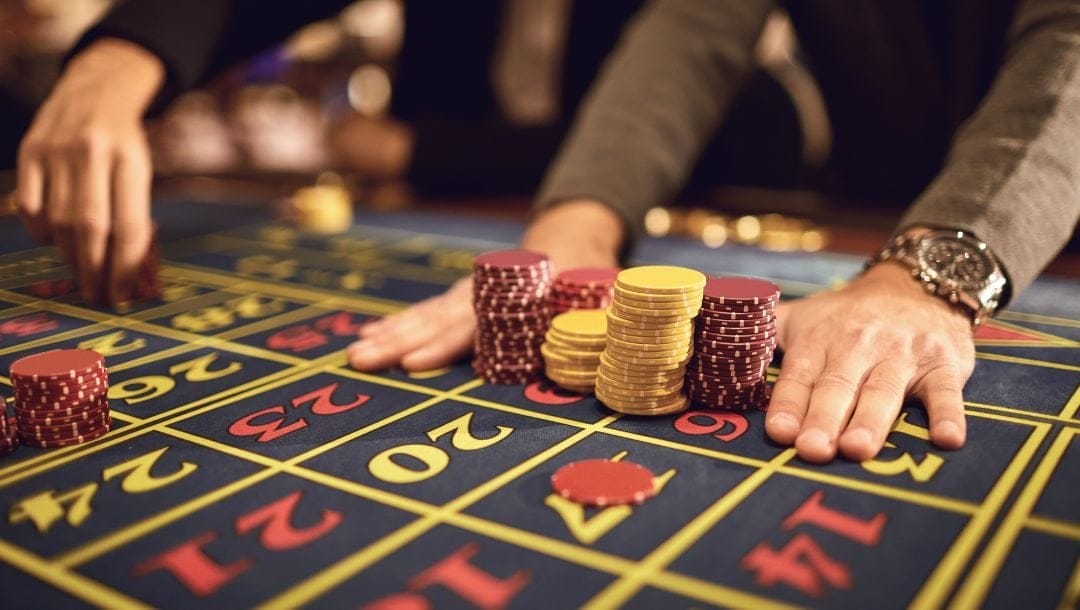
In ancient China, around 2000 BC, betting activities began to appear as well. The Chinese developed a variety of games involving dice and betting slips, which later evolved into more structured forms of gambling. The earliest recorded lottery, known as the “Chinese Book of Songs,” was used to fund major state projects, demonstrating that gambling had practical applications beyond mere entertainment. These ancient games laid the groundwork for the complex gambling systems we see today.
Throughout history, different cultures adopted their own gambling practices. The Romans embraced gambling, establishing laws around it and incorporating it into their social fabric. Chariot races and gladiatorial games featured betting, showing that the allure of risk and reward has been a central aspect of human activity for centuries. This evolution reflects a societal fascination with chance that transcends geographical and cultural boundaries.
The Middle Ages: Gambling in Europe
The Middle Ages saw a shift in gambling practices in Europe, particularly as card games began to emerge. Originating from Asia, card games spread across Europe, leading to the establishment of various forms of gambling that catered to both nobility and the common people. In this period, gaming houses began to spring up, offering organized gaming experiences, thereby laying the foundation for modern casinos.
During this era, gambling was often associated with moral dilemmas and was met with mixed reactions from authorities. While many viewed it as a form of entertainment, others saw it as a vice that led to societal decay. This tension resulted in varying degrees of regulation across different regions, with some governments banning gambling outright while others profited from taxing it. This duality of perception continues to influence modern gambling legislation.
Moreover, this period produced many classic games still played today, such as poker and blackjack. The development of these games showcased the blending of skill and chance, fostering a competitive spirit among players. The rising popularity of gambling during the Middle Ages paved the way for the lavish gaming halls that would emerge in later centuries, setting the stage for the modern casino experience.
The Birth of Modern Casinos
The 17th century marked a turning point with the establishment of the first modern casino in Venice, Italy, in 1638. Known as the Ridotto, it was an exclusive establishment designed for the elite, providing a controlled environment for gambling. The Ridotto’s success led to the proliferation of similar venues across Europe, where games of chance became increasingly sophisticated, appealing to a broader audience.
As the popularity of casinos grew, so did the variety of games offered. The introduction of roulette, baccarat, and craps brought a new level of excitement and strategy to the gambling experience. Furthermore, the establishment of laws governing these establishments helped to legitimize gambling as a form of entertainment and revenue. This shift was critical in shaping societal attitudes towards gambling, which began to be seen as a legitimate leisure activity.
The 19th century brought about significant changes with the expansion of gambling into the United States. The establishment of casinos in places like New Orleans and later Las Vegas transformed the gambling landscape, creating destinations where people could indulge in games of chance and luxury simultaneously. This evolution underscored the growing acceptance of gambling as a mainstream activity, setting the stage for the casino culture we know today.
The Digital Revolution and Online Gambling
The late 20th century witnessed a significant transformation in the gambling industry due to the advent of the internet. The first online casinos emerged in the mid-1990s, allowing players to enjoy their favorite games from the comfort of their homes. This marked a seismic shift in how gambling was perceived and engaged with, breaking geographical barriers that had previously limited access to traditional casinos.
Online platforms offered a wide range of games, attracting not only seasoned gamblers but also novices seeking entertainment. The introduction of live dealer games in the early 2000s brought an authentic casino experience to online players, merging the excitement of physical casinos with the convenience of digital platforms. This innovation expanded the gambling market significantly, as players could interact with real dealers and other participants in real-time.
Security and regulation also evolved alongside online gambling, with various jurisdictions implementing strict laws to protect players. This new era emphasized responsible gaming practices, ensuring that players had access to resources and tools to help manage their gambling habits. The rise of mobile gaming has further solidified online gambling’s place in modern society, making it more accessible than ever before.
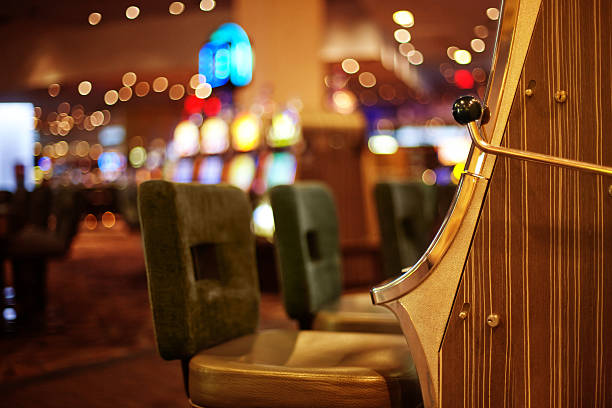
Modern Gaming Experiences at Fortislots
Fortislots represents a new era in online gambling, offering players an extensive selection of slots and live games from over 80 trusted providers. This cutting-edge platform is designed to maximize user experience, focusing on providing a rewarding environment for both new and seasoned players. With a generous Welcome Bonus Package that includes up to €3000 and 300 free spins, Fortislots attracts a diverse audience looking for an exciting gaming adventure.
In addition to its vast array of games, Fortislots operates under a reliable license, ensuring safe and secure gameplay. The platform features quick payment options and a user-friendly interface, enhancing the overall player experience. Dedicated customer support is available to assist users, reflecting the casino’s commitment to maintaining high standards of service and player satisfaction.
The evolution of gambling has come a long way from ancient rituals to sophisticated digital platforms like Fortislots. As the industry continues to innovate, players can expect more engaging and rewarding experiences that cater to their preferences. Fortislots stands out as an ideal choice for those in the United Kingdom seeking an exhilarating and secure gaming environment, embodying the latest advancements in the world of gambling.
No Comments