


24 Nov Advantages, Dosage, and Potential Side Effects of the KLOW Peptide Stack
This is a deep dive within our recovery pillar; for the sourcing reality — see the GHK-Cu.com website our peptide safety and sourcing guide. “KLOW” is a marketed multi-peptide recovery blend, most commonly BPC-157, TB-500 (thymosin β4), GHK-Cu, and KPV — sold as an all-in-one healing stack. The individual components have real , mostly preclinical or topical, repair mechanisms, but the combination itself has no human trial behind it, the blend isn’t standardized between vendors, and stacking multiplies both the unknowns and the sourcing risk.
This is a mixture of compounds, as four peptides create four chances for inconsistency. The material currently marketed as KLOW is designated solely for laboratory research — a classification that dictates marketing practices and does not serve as a guarantee of quality or safety. Mild headache (flushing), transient fatigue, and occasional nausea were among the systemic side effects noted in the initial days. In research environments, KLOW is reconstituted using bacteriostatic water and is usually administered subcutaneously in cycles lasting several weeks. Reports indicate that enhanced energy levels align with reduced discomfort and improved sleep, or stem from expectations. There is no documented mechanism within any component that affects the central nervous system in relation to these outcomes.
Ask me anything about peptides — dosing, stacking, mechanisms, or which peptide fits your goals. KLOW is not an FDA-approved product or formulation. GHK-Cu, KPV, BPC-157, and TB-500 are research compounds not approved for human therapeutic use. Three compounds (all working through tissue regeneration mechanisms), with GHK-Cu’s gene activation providing the broadest coverage. For research focused specifically on skin regeneration, collagen synthesis, wound healing, and hair growth, with the primary outcome being structural tissue improvement — the Glow Stack is the more targeted and simpler choice.
KLOW is a research context application of four individually well-studied compounds in a chemically defensible formulation. And there are compelling chemistry-based reasons why the main objections (copper oxidation, pH conflict) don’t apply here. While each peptide has research behind it, the combined use in a single blend is still largely based on mechanistic reasoning rather than direct clinical trials. I’m not here to sell anything—I’m here for people like me who want real information and the ability to educate themselves. Everything else about the two (including the goals they are sold for), overlaps heavily.
The honest reality check

The gold standard diluent for this purpose is bacteriostatic water. That is why it is crucial to partner with US-based suppliers who are transparent about their quality control processes. While each peptide in the Klow stack has a specific research function, the real intrigue lies in how they are theorized to work together. This four-peptide combination is often sold as a standardized blend.
Comparing the Klow and Glow Peptide Stacks
What gives me some confidence is that these peptides are fragments of, or closely related to, molecules our bodies already produce naturally, which means there’s real mechanistic plausibility here, and our biology already has some idea what to do with them. That said, the KLOW combination itself hasn’t been through large randomized controlled human trials, so I wouldn’t say it’s clinically proven as a stack. What I keep coming back to is that this is a peptide our body already produces naturally (and levels decline with age), so in a real sense our body already knows what to do with it. But it’s a big part of why GHK-Cu keeps showing up across so many different areas of longevity research rather than staying in its skincare lane.
This peptide is one of the major reasons many patients report visible improvements in skin tone, texture, and overall appearance while using KLOW. This multi-pathway approach is one of the primary reasons San Francisco Bay Area patients and practitioners alike are becoming increasingly interested in KLOW peptide therapy. Research and educational sources commonly describe KLOW as a “full-spectrum recovery stack” because each ingredient targets a different aspect of healing and optimization. The goal of this stack is to support multiple healing and regenerative pathways simultaneously rather than relying on just one peptide alone. KPV brings direct NF-kB suppression (the anti-inflammatory mechanism neither BPC-157 nor TB-500 directly targets), with documented gut-specific activity.
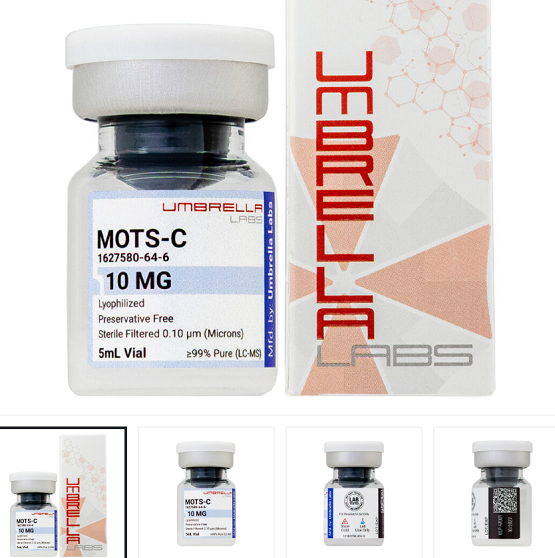
KLOW is sold as a lyophilized powder containing four peptides in fixed proportion. Cost is not a single published number because it depends on what is prescribed — the length of the protocol, and whether lab work and follow-up are bundled into the plan. KLOW sits within our broader peptide therapy program and is prescribed and supervised from your first evaluation through follow-up. Our clinics serve patients across South Tampa (Brandon), Wesley Chapel, Winter Garden, and Orlando, and telehealth follow-up is available once you have been evaluated.
Our dosage chart for KLOW displays trial and label doses alongside reported intake by Reddit users, while our side effects section distinguishes verified effects from user accounts. What has been noted is the combination of KLOW with growth hormone secretagogues like CJC-1295 and ipamorelin, based on the belief that the two influence different pathways. If the target is skin — hair, or general collagen work, the fourth peptide adds cost without addressing it. If the focus is on inflammation or gut-related issues, KPV justifies the additional expense.
Sorry, the comment form is closed at this time.