


07 Mar The evolution of casino culture a historical perspective on gaming's past
The evolution of casino culture a historical perspective on gaming's past
The Origins of Gambling
The history of gambling can be traced back thousands of years, with evidence of games of chance found in ancient civilizations such as China, Greece, and Rome. These early forms of gambling were often tied to religious and cultural practices, providing a social outlet for communities. Players who are excited about current trends can try out the chicken road from [provider], which captures the exhilarating feel of traditional gaming. Dice, one of the oldest gaming tools, have been excavated from archaeological sites, demonstrating that the love for chance has been embedded in human behavior for millennia.
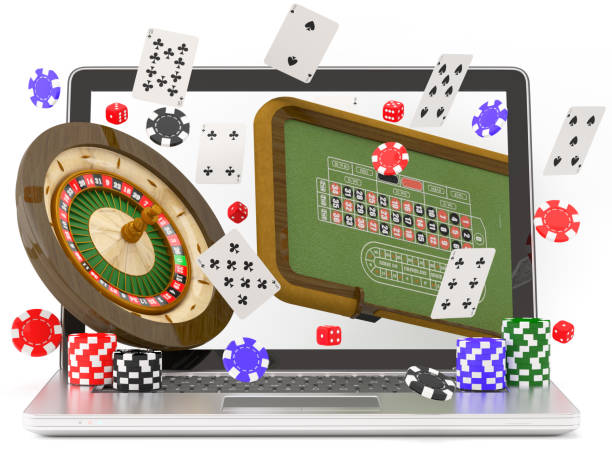
As societies evolved, so did gambling practices. In medieval Europe, gambling became a popular pastime among the nobility, leading to the establishment of games that would eventually evolve into the modern casino games we know today. The rise of card games in the 15th century marked a significant shift, as these games spread across the continent and became integral to social gatherings.
The Establishment of Casinos
The modern casino as we recognize it today began to take shape in the 17th century. The first official casino, the Ridotto, opened in Venice in 1638. This establishment offered a regulated environment for gambling, complete with rules and oversight. The concept quickly gained popularity, influencing the development of similar venues across Europe.
As the 18th century progressed, casinos became synonymous with luxury and opulence, attracting the wealthy elite. Cities like Monte Carlo and Baden-Baden emerged as gambling hotspots, where lavish architecture and extravagant entertainment complemented the gaming experience. This era solidified the connection between gambling and high society, setting a precedent for future casino culture.
The American Casino Boom
The 20th century marked a turning point for casino culture, particularly in the United States. The legalization of gambling in Nevada in 1931 paved the way for the emergence of Las Vegas as a premier gaming destination. With its neon lights and extravagant resorts, Las Vegas quickly captured the imagination of the public and became a symbol of entertainment and excess.
During this period, casinos began to diversify their offerings, introducing not only traditional games like poker and blackjack but also elaborate shows and luxurious dining experiences. This shift transformed casinos from mere gambling venues into comprehensive entertainment complexes, drawing millions of visitors each year and influencing global gaming culture.
The Digital Revolution in Gambling
The advent of the internet in the late 20th century brought about a seismic change in casino culture. Online gambling platforms emerged, allowing players to enjoy their favorite games from the comfort of their homes. This digital transformation democratized access to gambling, attracting a new demographic of players who may not have visited traditional casinos.
As technology continued to advance, so did the gaming experience. Mobile applications and live dealer games blurred the lines between online and in-person gambling, creating an interactive experience that captivated a global audience. The rise of online casinos introduced innovative features, such as welcome bonuses and loyalty programs, further enhancing the appeal of digital gaming.

Modern Casino Culture and Future Trends
Today, casino culture reflects a blend of tradition and innovation. While many players still appreciate the atmosphere of brick-and-mortar casinos, the online gaming sector continues to thrive, driven by advancements in technology and changing consumer preferences. The introduction of virtual reality and augmented reality in gaming promises to take the experience to unprecedented heights, offering immersive environments for players.
As we look to the future, the evolution of casino culture will likely continue to adapt, balancing the age-old allure of chance with cutting-edge technology. This ongoing transformation underscores the resilience of gaming as a form of entertainment, ensuring that it remains a significant part of global culture for generations to come.
No Comments